Independence usually develops gradually through small successes such as cooking alone, maintaining a tidy home, or monitoring a bank account to prevent issues. These everyday skills are the foundation of a truly independent life, even though they often receive less recognition than larger, more conspicuous achievements.
This guide looks at how cooking, cleaning, and budgeting skills are actually built over time, and what good support looks like along the way. None of this happens overnight, and that is completely normal rather than a sign that progress is too slow.
What Are Daily Living Skills?
These skills cover the everyday tasks that keep a home and a life running: cooking, cleaning, laundry, budgeting, and basic household organisation. For some participants, support in these areas means someone helping directly with the task today. For others, the goal is different: learning to do the task independently over time.
This distinction influences the funding and delivery of support. Immediate, ongoing assistance with a task typically falls under everyday Core supports, whereas structured skill development aimed at decreasing support needs is usually categorized as Capacity Building. Understanding which category applies helps establish realistic expectations from the beginning for both the participant and their supporters.
Learning to Cook and Clean Independently: Where to Start
Learning to cook and clean independently rarely works well as an abstract goal. It works far better broken into specific, repeatable steps: a simple recipe practised weekly, a cleaning routine split into small daily tasks rather than one overwhelming weekly effort, or a laundry system that removes the guesswork entirely.
Starting small matters more than starting impressively. Someone who can reliably make three simple meals and keep a kitchen clean afterward has genuinely usable skills, even if the menu is not adventurous. Skills tend to stick when they are practised in the actual home environment, with the actual equipment someone will use day to day, rather than in a generic training setting.
Repetition, more than anything else, is what turns a task someone was shown once into something they can genuinely do on their own. A single demonstration rarely builds a lasting skill; doing the same task together several weeks in a row usually does.
Budgeting Skills for Adults: Building Money Confidence
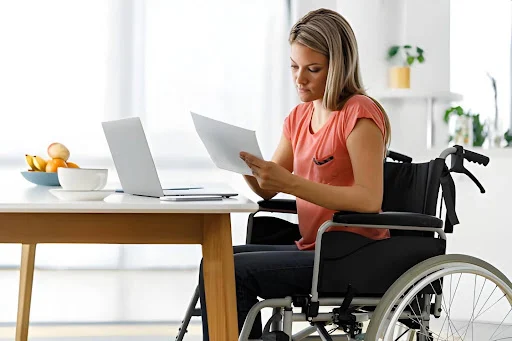
Budgeting skills for adults often get less attention than cooking or cleaning, though money confidence affects daily life just as much. This might start with something as simple as checking an account balance regularly, understanding when bills are due, or separating money for groceries from money for bills.
Visual or simplified budgeting tools can help enormously here, particularly for participants who find traditional spreadsheets or banking apps overwhelming. The goal is rarely complex financial planning; it is usually just enough confidence to avoid nasty surprises and make everyday spending decisions without constant anxiety.
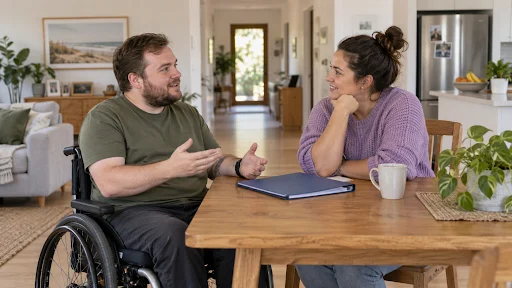
Involving a trusted family member or support worker in the early stages, without taking over entirely, often helps someone build the habit of checking in on their own finances regularly, rather than avoiding the topic altogether until a bill goes unpaid or a card is declined.
Household Skills Training: How Support Workers Help
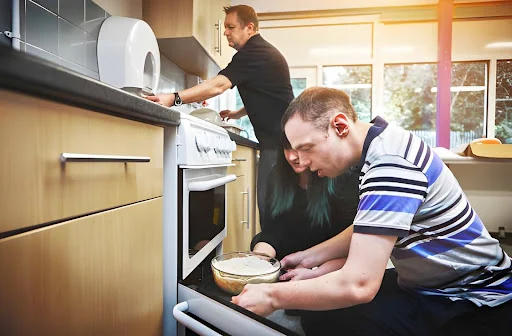
Good household skills training looks different from simply having tasks done for you. A support worker teaching this way will often do a task alongside a participant repeatedly, gradually stepping back as confidence builds, rather than jumping in to finish things quickly.
This kind of training benefits enormously from consistency. The same support worker returning week after week can track genuine progress, notice where someone is close to managing independently, and adjust the approach as needed, rather than starting from scratch with someone new each time. Frequent changes in who is providing support can quietly undo weeks of progress, simply because the routine and rapport have to be rebuilt from the beginning.
Building Independence at Home: Why Consistency Matters
Building independence at home is rarely a straight line. Progress in one area, like cooking, does not automatically transfer to another, like budgeting, and setbacks after illness, stress, or a change in routine are completely normal rather than a sign that something has failed.
Structured, ongoing development life skills support tends to work best when it is treated as a genuine, ongoing process rather than a short course with a fixed end date. Reassessing goals regularly, rather than assuming last year’s plan still fits, keeps the support relevant as circumstances change, especially after a major life event like a move, a new diagnosis, or a change in family situation.
How NDIS Funding Supports Skill Building
Skill-building supports like these are usually funded under Capacity Building, specifically Improved Daily Living, when the explicit goal is increasing independence over time. Our Capacity Building and Life Transitions support is built around exactly this kind of structured, goal-focused approach, with clear steps and regular review built in from the start.
Where the goal is simply completing a task today rather than building a long-term skill, this typically sits under everyday Core supports instead, so it is worth checking with your plan manager or support coordinator which category best fits your actual goals before your next plan is finalised.
How Carevally Can Help
At Carevally, our Daily Living and Household Tasks support is delivered by a team who understands the difference between doing a task for someone and genuinely building their skills over time. We work at the pace that suits each participant, adjusting as progress is made and revisiting goals as circumstances change.
If you would like to talk through building daily living skills for yourself or someone you support, get in touch with our team today.