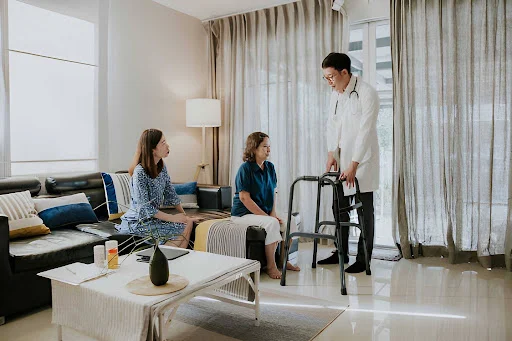
When you receive Supported Independent Living (SIL), you should feel safe at home, understand your support arrangements and know who to contact when something goes wrong.
SIL provider responsibilities include preparing workers for your needs, following support plans and responding to risks. They also include respecting your privacy, choices and relationships.
This guide explains what those responsibilities look like in daily life and what you can ask before choosing a provider.
What Is a SIL Provider Responsible For?
A SIL provider organises and delivers the daily assistance you have agreed to receive. Depending on your needs, this may include personal care, meals, household routines and overnight support. The provider should make sure:
- Workers have the skills needed for your support
- Staffing arrangements match your assessed needs
- Workers understand and follow your current plans
- Important information is passed between shifts
- Risks and concerns are acted on promptly
- You can ask questions, give feedback and make complaints
Your service agreement should explain what the provider will do and which tasks belong to another service or health professional.
When exploring supported living and specialist support, ask how these responsibilities will be covered in your own arrangement.
The Standards Behind Safe SIL Support
SIL providers must meet the NDIS requirements relevant to the supports they deliver. These include the Core Practice Standards and the dedicated SIL standards.
The SIL standards cover four areas:
- Supported Decision-Making: Helping you make and communicate your own choices
- Safeguarding: Protecting you from abuse, neglect, violence and other harm
- Practice Governance: Making sure managers oversee the quality and safety of support
- Housing and Support Agreements: Keeping responsibilities and arrangements clear
New SIL registration requirements began on 1 July 2026, with transition arrangements for some existing providers. Ask a provider to explain its current registration status and any transition pathway that applies.
Registration is an important check, but your day-to-day experience matters too. A provider should be able to explain how its policies work in your home.
Keeping the Home Safe and Responsibilities Clear
SIL pays for support rather than the home itself. Your SIL provider may be a different organisation from your landlord or accommodation provider.
Repairs, building maintenance and safety equipment can involve different responsibilities under housing agreements and local laws. These arrangements should be clear before you move in.
Your SIL provider should still notice hazards that affect support, take appropriate action and follow up with the responsible person.
For example, if a handrail becomes loose, workers should report it, help manage the immediate risk and check that the repair is followed up. Practical safety checks may include:
- Clear walking routes and exits
- Suitable lighting
- Safe use and storage of equipment
- Access to essential items and mobility aids
- Reporting damaged fittings or unsafe surfaces
- Following up outstanding repairs
You should know who to contact about a problem and what will happen while it is being fixed.
Preparing Workers for Everyday Support
A safe roster needs more than enough names to fill each shift. Workers must be prepared for the people they support.
This includes knowing how you communicate, what assistance you need and which changes should be reported. New or replacement workers need the information and training required before carrying out unfamiliar tasks.
Where medication, swallowing support or other health-related activities are involved, workers should follow the relevant individual plans and understand when to seek clinical advice.
Some participants also need clinical care and high intensity support. These arrangements require clear responsibilities, suitable worker training and access to the relevant health professionals.
Ask what happens if a trained worker is absent. The backup arrangement should meet your needs, including at night and on weekends.
Managing Risks Without Taking Away Choice
Risk management means identifying what could cause harm and agreeing on ways to reduce that risk. You should be involved in this discussion.
For example, you may want to prepare your own meals while needing help with parts of cooking. A useful plan could include adapted equipment, clear instructions or assistance with hot items.
It should not automatically mean being stopped from using the kitchen.
Providers should explain options in a way you understand and give you time to decide. You can ask for pictures, communication aids or help from someone you trust.
Safety concerns should not become a reason for unnecessary rules about your routine, visitors or access to shared spaces.
Responding to Conflict Between Housemates
Feeling safe at home includes how people treat each other.
Workers should recognise and respond to bullying, intimidation, unwanted behaviour and growing conflict. Participants should have a private way to raise concerns without needing to confront a housemate.
Good practice includes listening to everyone involved, responding early and making clear plans to prevent further harm. Workers also need relevant skills in calming difficult situations and understanding how past experiences may affect someone’s response.
Where a behaviour support plan is in place, staff must understand their role in following it.
Any use of regulated restrictive practices must meet the relevant legal requirements, including authorisation where required. A household rule or family request does not replace those requirements. Information about restrictive practices should explain the safeguards and reporting involved.
What Should Happen in an Emergency?
The provider should have emergency arrangements that reflect the people living in the home.
A general evacuation diagram may not explain how someone who needs mobility assistance will leave safely at night. Workers need to know what assistance each person requires and how essential support will continue. Ask about plans for:
- Fire or evacuation
- Power loss affecting essential equipment
- A worker being unable to attend
- A participant becoming seriously unwell
- Temporary disruption to the home or usual services
Plans should be explained in an accessible way, checked regularly and updated when needs change. In an immediate emergency, workers should contact emergency services and provide appropriate assistance.
Reporting Incidents and Following Up
If something goes wrong, the first priority is the safety and wellbeing of the person affected.
The provider should record the incident, respond to immediate needs and review what happened. It should also explain relevant next steps to the participant and involve their chosen supporters where appropriate and authorised.
Registered providers must notify the NDIS Commission about reportable incidents. Most serious reportable incidents require notification within 24 hours of the provider becoming aware. Different rules apply to some unauthorised restrictive practices.
Reporting is only part of the response. Providers should also consider whether staffing, training, equipment or support plans need to change.
You can ask what action has been taken about an incident affecting you. Providers must also protect other residents’ private information.
How Are Providers Checked?
Independent approved quality auditors assess providers against the relevant NDIS Practice Standards. They are separate from the NDIS Commission.
Certification audits include more than reviewing documents. They can involve site visits, staff interviews and conversations with participants about their experiences.
You may be asked whether you feel safe, understand your rights and know how to make a complaint. Participation should respect your preferences and communication needs.
The Commission uses audit information as part of its regulatory work. Providers remain responsible for safe support between audits, not just during an inspection.
Questions to Ask Before Choosing a Provider
When comparing supported independent living providers, ask for practical examples rather than general promises. Useful questions include:
- How will workers learn about my needs before supporting me?
- Who will cover a shift if my usual worker is unavailable?
- How do you respond when I report a safety concern?
- Who handles repairs, and how do you follow them up?
- What emergency assistance will be available overnight?
- How can I make a complaint privately?
- How will you involve me in decisions about risk?
You can also ask for an anonymous example of how the provider improved its support after an incident. This can show how it learns from problems without sharing another participant’s personal records.
Discuss Your SIL Support Needs With Carevally
Before starting SIL, you should understand who will support you, how concerns will be handled and how your choices will be respected.
Carevally can discuss your support needs, the services available and the arrangements required for safe daily support.
Contact Carevally to talk through your questions about staffing, home safety and responsibilities before an arrangement begins.