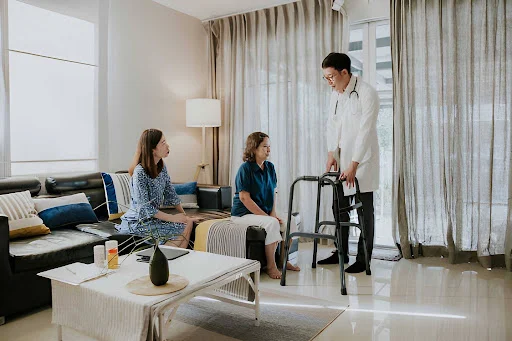
“High-intensity supports” is the NDIS term for daily-living tasks that require specific clinical training. Not every NDIS worker can deliver them. Not every NDIS provider is registered for them. Here’s what they are, who can deliver them, and how they fit into your plan.
What counts as high-intensity
The NDIS Commission defines high-intensity supports in the High Intensity Support Skills Descriptors. Carevally is registered to deliver:
- Complex bowel care — including digital stimulation and manual evacuation where required.
- Enteral feeding — Naso-Gastric tube, Jejunum, Duodenum (PEG/PEJ feeding).
- Urinary catheter management — in-dwelling, in-out and suprapubic catheters.
- Subcutaneous injections — insulin, anticoagulants, supportive medications.
- Complex wound management — including pressure injury management and post-surgical care.
We’re also approved to support day-to-day medication management, disposal of hazardous waste, and implementation of restrictive practices under approved behaviour support plans.
Who can deliver them
Only workers who have completed the relevant high-intensity training and demonstrated competency. At Carevally, our high-intensity workers complete training assessed against the Skills Descriptors, with annual competency review by our clinical lead and supervision by registered nurses.
How they’re funded
High-intensity supports are funded under Core Supports — Daily Activities, at the high-intensity hourly rate set in the NDIS Pricing Arrangements. The increased rate reflects the additional training and supervision required.
How to access them
If you or a family member need high-intensity supports:
- Make sure your plan documents the need for high-intensity care, with supporting evidence from your treating medical team.
- Choose a provider registered for the specific supports you need (not all NDIS providers are — verify on the NDIS Commission’s Find a Registered Provider tool).
- The provider designs a roster of care that includes high-intensity-trained workers.
Why this matters
For participants with complex medical needs, the difference between a provider who’s properly registered and one who isn’t is significant. Carevally was deliberately set up to be one of the providers that can.
If you’d like to talk through your needs, send us a message.